This series explains some easy ways to ask and answer common questions in English.
It's really useful, and it only takes three minutes.
In this lesson, you're going to learn some different ways people will ask you, " Where are you from?"
First, though, " Where are you from?" can mean many thing :
It can mean :
* What city are you from?
* What states are you from?
In fact, Americans ask this question to each other all the time to learn what part of America the other person comes from.
Of course, though, it can also mean " What country are you from?"
If you want to answer this question, there are two ways to do it.
You can say : I'm....plus your nationality.
I'm ( your nationality ) as in I'm Japanese or I'm Brazilian.
Or you can say : I'm from ....plus the country you are from
As in I'm from Italy or I'm from Thailand.
If you're from a really famous city or place, you can say that too.
For eaxample : I'm from Beịjing or I'm from New Delhi.
Many times, though Americans won't ask , " What country are you from?"
Or even " Where are you from? "
In many casual situations, they will say it in a simpler way : Where you from?
This is just like " where are you from?" but they take out the "are"... Where you from?
You can use this too in casual situations.
Of course, in the United States, as in other parts of the world people may be a little more indirect because they want to be polite.
To do it, they might ask you, if you are from the place where they meet you.
For example, if you meet someone in New York, they might ask :
Are you from New York?
Or if you are in San Diego, they might :
Are you from San Diego?
Many parts in the United States are very multi-cultural so asking the question this way avoids what could be an embarrassing mistake.
You can answer this the same way you answer " where are you from?" just add the simple "No" in front
For example, you can say : No + I'm + nationality
Are you from San Diego? No, I'm French.
Or No + I'm from + country : No, I.m from Russia.
Now, it's time for Alisha's Advice
Since the United States is very large people you meet may take great pride in the place or region they come from.
If you ask someone about where they're from they may respond by saying something like, West Coast, or the East Coast or California, or the South or the Midwest.
If they answer in this way it usually means they are interested in talking more about their region and how it differs from other.
In this lesson, we learned some different ways to ask, "where are you from?"
Hiển thị các bài đăng có nhãn * My unit. Hiển thị tất cả bài đăng
Hiển thị các bài đăng có nhãn * My unit. Hiển thị tất cả bài đăng
Thứ Tư, 14 tháng 11, 2012

Thứ Ba, 13 tháng 11, 2012
My unit 06
In this series, we're going to learn some easy ways to ask and answer common questions in English.
It's really useful, and it only takes three minutes.
In this lesson you're going to learn how to ask what someone's hobbies are without using the word hobbies.
You've probably seen the question : Do you have any hobbies? or What are your hobbies? in an English textbook before.However, native English speakers almost never use the word " hobbies" when asking about them.
A much more natural way to ask the same question is : What do you do for fun?
Let's practice this question.
What do you do for fun?
/wɒt duː jʊ duː fə fʌn/
You can also ask :
What do you do in your free time?
/wɒt duː jʊ duː ɪn jə friː taɪm/
So how would you answer this question?
Let's look at how native speakers would do it.
The easiest way is to say : I like to... or I like...followed by what you like to do.
For example, if you like watching movies you could say :
I like to watch movies
/aɪ laɪk tə wɒʧ ˈmuːvɪz/ or
I like watching movies.
/aɪ laɪk ˈwɒʧɪŋ ˈmuːvɪz/
And if you like golf, you could say:
I like to play golf
/aɪ laɪk tə pleɪ gɒlf/or
I like playing golf.
/aɪ laɪk ˈpleɪɪŋ gɒlf/
You can emphasize how much you like your hobby by adding a word like " really " in front of " like ".
For example :
I really like watching movies.
/aɪ ˈrɪəlɪ laɪk ˈwɒʧɪŋ ˈmuːvɪz/
On the other hand, if you want to play down how much you like something you can say " kind of "
For example :
I kind of like playing tennis.
/aɪ kaɪnd əv laɪk ˈpleɪɪŋ ˈtenɪs/
Now it's time for Alishe Advice
If you don't have any special hobbies or don't want to be specific, a good way to reply is :
I like hanging out with my friends, and stuff like that.
/aɪ laɪk ˈhæŋɪŋ aʊt wɪð maɪ frendz ənd stʌf laɪk ðæt/
Just use : I like... and add hanging out with my friends.And then add " and stuff like that ."
Được xuất bản vào 16-07-2012 bởi ENGLISHCLASS101 http://www.EnglishClass101.com/video Learn common conversation topics with our English in Three Minutes series! In the US, manners are important, and this step-by-step video teaches you some of the basics you need to be polite while speaking English. A native English teacher will explain the simple phrases necessary. This is the fastest, easiest way to pick up basic English! In this lesson, you'll learn how to ask and answer "Do you have any hobbies?" in English. If you learned a lot with this video, stop by our English language learning website and get other language learning content including great videos just like this one, audio podcasts, review materials, blogs, iPhone applications, and more. http://www.EnglishClass101.com/video
It's really useful, and it only takes three minutes.
In this lesson you're going to learn how to ask what someone's hobbies are without using the word hobbies.
You've probably seen the question : Do you have any hobbies? or What are your hobbies? in an English textbook before.However, native English speakers almost never use the word " hobbies" when asking about them.
A much more natural way to ask the same question is : What do you do for fun?
Let's practice this question.
What do you do for fun?
/wɒt duː jʊ duː fə fʌn/
What do you do in your free time?
/wɒt duː jʊ duː ɪn jə friː taɪm/
So how would you answer this question?
Let's look at how native speakers would do it.
The easiest way is to say : I like to... or I like...followed by what you like to do.
For example, if you like watching movies you could say :
I like to watch movies
/aɪ laɪk tə wɒʧ ˈmuːvɪz/ or
I like watching movies.
/aɪ laɪk ˈwɒʧɪŋ ˈmuːvɪz/
And if you like golf, you could say:
I like to play golf
/aɪ laɪk tə pleɪ gɒlf/or
I like playing golf.
/aɪ laɪk ˈpleɪɪŋ gɒlf/
You can emphasize how much you like your hobby by adding a word like " really " in front of " like ".
For example :
I really like watching movies.
/aɪ ˈrɪəlɪ laɪk ˈwɒʧɪŋ ˈmuːvɪz/
On the other hand, if you want to play down how much you like something you can say " kind of "
For example :
I kind of like playing tennis.
/aɪ kaɪnd əv laɪk ˈpleɪɪŋ ˈtenɪs/
Now it's time for Alishe Advice
If you don't have any special hobbies or don't want to be specific, a good way to reply is :
I like hanging out with my friends, and stuff like that.
/aɪ laɪk ˈhæŋɪŋ aʊt wɪð maɪ frendz ənd stʌf laɪk ðæt/
Được xuất bản vào 16-07-2012 bởi ENGLISHCLASS101 http://www.EnglishClass101.com/video Learn common conversation topics with our English in Three Minutes series! In the US, manners are important, and this step-by-step video teaches you some of the basics you need to be polite while speaking English. A native English teacher will explain the simple phrases necessary. This is the fastest, easiest way to pick up basic English! In this lesson, you'll learn how to ask and answer "Do you have any hobbies?" in English. If you learned a lot with this video, stop by our English language learning website and get other language learning content including great videos just like this one, audio podcasts, review materials, blogs, iPhone applications, and more. http://www.EnglishClass101.com/video
Thứ Bảy, 10 tháng 11, 2012
My unit 05
This series will teach you some easy ways to ask and answer common questions in English. It's really usefull, and it only takes three minutes. In this lesson, you're going to learn some new ways to ask someone," What's your name?". Including one that you can use when you have forgotten someone's name.
Now," What is your name?" was probably one of the first questions you learned when you started studying in English. I have to tell you, though that most native speaker of English would never say this.
In English, just like in other languages, it is often more polite to be a little indirect. Of course, the easiest way to avoid asking question directly is to not at all. Just introduce yourself, and most people will respond by doing the same. When introducing yourself, simple is nearly always best.
Just say" Hi I'm Alisha". To show that you want to know the other person's name just add," And you "at the end. Hi, I'm Alisha. And you? Just like before, take out my name, Alisha, and put your name in its place.
Hi, I'm ( your name ). And you? After you say this, the person will tell you his or her name.
Okay, now let's talk about an embarrassing situation that happens to everybody you've already met this person once before, but you have forgotten their name. The most polite thing to do in this situation is to apologize and ask again. There's a simple way to this that's also polite." I'm sorry. What was your name again?"
" This sentence is very similar to " What's your name?" but it has three important differences. Fist, we say," I'm sorry." A small apology can go along way. After that we say, " What was your name again?" This is just like " What is your name?"but instead of is, we use the pass tense " was".
This is really important, as it tells the other person that you remember meeting them.You haven't forgotten him or her, you have just forgotten the name. This little word makes all the difference " I'm sory. What was your name again? Finally, we add "again" to the end.
This is another hint that tells the other person that you remember learning his or her name before, but you just can't recall it right now." I'm sorry. What was your name again?" This phrase is appropriate for both formal and informal situation.
Now it's time for Alisha's Advice. In the United States, it's normal to address people by name in conversation more than once. In both formal and informal situations it's a way to show respect or interest in the other person and help you make friend.
It is also a great way to practice someone's name so you don't forget it. If you are talking to someone's name Ann, for example, instead of just : " What do you do for fun?", you could say: "Ann, what do you do for fun?" You can also put the name at the end of the sentence: " What do you do for fun, Ann ?" You don't want to say the person's name too often, or little sound a little strange but you practice someone's name like this, you won't forget it. And people love to hear their own name. In this lesson, we learned what to say when we forget someone's name.
Được xuất bản vào 06-09-2012 bởi ENGLISHCLASS101
http://www.EnglishClass101.com/video
Learn common conversation topics with our English in Three Minutes series!
In the US, manners are important, and this step-by-step video teaches you some of the basics you need to be polite while speaking English. A native English teacher will explain the simple phrases necessary.
Learn common English conversation topics with EnglishClass101.com's English in Three Minutes series! In the US, manners are important, and this step-by-step video teaches you some of the basics you need to be polite while speaking English. A native English teacher will explain the simple phrases necessary.
In this lesson, you'll learn how to ask and answer "What's your name?" in English. Visit us at EnglishClass101.com, where you will find many more fantastic English lessons and learning resources! Leave us a message while you are there!
If you learned a lot with this video, stop by our English language learning website and get other language learning content including great videos just like this one, audio podcasts, review materials, blogs, iPhone applications, and more.
Find out more, go to: http://www.englishclass101.com/2012/08/31/learn-english-in-three-minutes-5-wh...
http://www.EnglishClass101.com/video
Now," What is your name?" was probably one of the first questions you learned when you started studying in English. I have to tell you, though that most native speaker of English would never say this.
In English, just like in other languages, it is often more polite to be a little indirect. Of course, the easiest way to avoid asking question directly is to not at all. Just introduce yourself, and most people will respond by doing the same. When introducing yourself, simple is nearly always best.
Just say" Hi I'm Alisha". To show that you want to know the other person's name just add," And you "at the end. Hi, I'm Alisha. And you? Just like before, take out my name, Alisha, and put your name in its place.
Hi, I'm ( your name ). And you? After you say this, the person will tell you his or her name.
Okay, now let's talk about an embarrassing situation that happens to everybody you've already met this person once before, but you have forgotten their name. The most polite thing to do in this situation is to apologize and ask again. There's a simple way to this that's also polite." I'm sorry. What was your name again?"
" This sentence is very similar to " What's your name?" but it has three important differences. Fist, we say," I'm sorry." A small apology can go along way. After that we say, " What was your name again?" This is just like " What is your name?"but instead of is, we use the pass tense " was".
This is really important, as it tells the other person that you remember meeting them.You haven't forgotten him or her, you have just forgotten the name. This little word makes all the difference " I'm sory. What was your name again? Finally, we add "again" to the end.
This is another hint that tells the other person that you remember learning his or her name before, but you just can't recall it right now." I'm sorry. What was your name again?" This phrase is appropriate for both formal and informal situation.
Now it's time for Alisha's Advice. In the United States, it's normal to address people by name in conversation more than once. In both formal and informal situations it's a way to show respect or interest in the other person and help you make friend.
It is also a great way to practice someone's name so you don't forget it. If you are talking to someone's name Ann, for example, instead of just : " What do you do for fun?", you could say: "Ann, what do you do for fun?" You can also put the name at the end of the sentence: " What do you do for fun, Ann ?" You don't want to say the person's name too often, or little sound a little strange but you practice someone's name like this, you won't forget it. And people love to hear their own name. In this lesson, we learned what to say when we forget someone's name.
Thứ Ba, 6 tháng 11, 2012
Unit - 05
Would you like the grapefruit?
/wʊd jʊ laɪk ðə ˈgreɪpfruːt/
/wʊd jʊ laɪk ðə ˈgreɪpfruːt/

May I have the grapefruit?
/meɪ aɪ hæv ðə ˈgreɪpfruːt/
/meɪ aɪ hæv ðə ˈgreɪpfruːt/
Here you are.
/hɪə jʊ ə/
/hɪə jʊ ə/
Thank you.
/θæŋk jʊ/
/θæŋk jʊ/
You're welcome.
/jə ˈwelkəm/
/jə ˈwelkəm/
Thứ Hai, 5 tháng 11, 2012
My unit - 04
Today we are learning how to save money.
Save money means to keep your money.
If you save a lot of money, you will be rich.
This is a conversation between a baker and a friend.
The friend is learning about jobs.
He asks questions and learns about his friend... the baker.
Are you a baker?
Yes, I'm a baker.
Are you rich?
No, I am not rich.
Let's learn this conversation together.
The first question is, are you a baker?
And a answer is, yes I am a baker.
The second question is, are you rich?
And the answer is, no Iam not rich.
Now let's say the whole thing.
I'll ask you first.
Are you a baker?
Are you rich?
This conversation has one job and one adjective in it.
What's the job? Baker.
A baker bakes bread for people to buy and eat.
What's the adjective in this conversation?
Rich. Rich means to have a lot of money.
Are you rich?
If the answer is yes, you say...Yes I am rich.
If the answer is no, you say...No, I am not rich.
Now you say the whole answer.
When the answer is no, use a negative sentence.
No, I'm not rich.
That's a negative sentence.
It has the word no at the beginning and not after the verb am.
Every sentence has a subject and a verb.
In this sentence, the subject is I and the verb is am.
What makes this sentence negative?
It's the no at the beginning of the sentence and the not after the verb.
Thứ Ba, 30 tháng 10, 2012
My unit 03 - Dessert
Dessert.
/dɪˈzɜːt/
/dɪˈzɜːt/
Today we are learning about something that's very sweet.
/təˈdeɪ wi ə ˈlɜːnɪŋ əˈbaʊt ˈsʌmθɪŋ ðæts ˈverɪ swiːt/
/təˈdeɪ wi ə ˈlɜːnɪŋ əˈbaʊt ˈsʌmθɪŋ ðæts ˈverɪ swiːt/
We are talking about dessert.
/wi ə ˈtɔːkɪŋ əˈbaʊt dɪˈzɜːt/
/wi ə ˈtɔːkɪŋ əˈbaʊt dɪˈzɜːt/
I love dessert.
/aɪ lʌv dɪˈzɜːt/
/aɪ lʌv dɪˈzɜːt/
Dessert is usually a sweet food eaten at the end of a meal.
/dɪˈzɜːt ɪz ˈjuːʒʊəlɪ ə swiːt fuːd ˈiːtn æt ðiː end ɒv ə miːl/
/dɪˈzɜːt ɪz ˈjuːʒʊəlɪ ə swiːt fuːd ˈiːtn æt ðiː end ɒv ə miːl/
Do you love dessert?
/duː jʊ lʌv dɪˈzɜːt/
/duː jʊ lʌv dɪˈzɜːt/
You do?
/jʊ duː/
/jʊ duː/
I love dessert too.
/aɪ lʌv dɪˈzɜːt tuː/
/aɪ lʌv dɪˈzɜːt tuː/
What do you have for dessert?
/wɒt duː jʊ hæv fə dɪˈzɜːt/
/wɒt duː jʊ hæv fə dɪˈzɜːt/
What about chocolate?
/wɒt əˈbaʊt ˈʧɒkəlɪt/
/wɒt əˈbaʊt ˈʧɒkəlɪt/
Chocolate.
/ˈʧɒkəlɪt/
/ˈʧɒkəlɪt/
Chocolate can be eaten in many different forms.
/ˈʧɒkəlɪt kæn biː ˈiːtn ɪn ˈmenɪ ˈdɪfrənt fɔːmz/
/ˈʧɒkəlɪt kæn biː ˈiːtn ɪn ˈmenɪ ˈdɪfrənt fɔːmz/
Cake, candy, ice cream, pastry, pudding and drinks can all be flavored with chocolate.
/keɪk ˈkændɪ aɪs kriːm ˈpeɪstrɪ ˈpʊdɪŋ ənd drɪŋks kæn ɔːl biː ˈfleɪvəd wɪð ˈʧɒkəlɪt/
/keɪk ˈkændɪ aɪs kriːm ˈpeɪstrɪ ˈpʊdɪŋ ənd drɪŋks kæn ɔːl biː ˈfleɪvəd wɪð ˈʧɒkəlɪt/
Cake comes in many different flavors.
/keɪk kʌmz ɪn ˈmenɪ ˈdɪfrənt ˈfleɪvəz/
/keɪk kʌmz ɪn ˈmenɪ ˈdɪfrənt ˈfleɪvəz/
Many people eat cake on their birthday.
/ˈmenɪ ˈpiːpl iːt keɪk ɒn ðeə ˈbɜːθdeɪ/
/ˈmenɪ ˈpiːpl iːt keɪk ɒn ðeə ˈbɜːθdeɪ/
Pastry is sweet dough that is baked and eaten for dessert or at breakfast.
/ˈpeɪstrɪ ɪz swiːt dəʊ ðæt ɪz beɪkt ənd ˈiːtn fə dɪˈzɜːt ə æt ˈbrekfəst/
/ˈpeɪstrɪ ɪz swiːt dəʊ ðæt ɪz beɪkt ənd ˈiːtn fə dɪˈzɜːt ə æt ˈbrekfəst/
Ice cream is sweet, cold and creamy.
/aɪs kriːm ɪz swiːt kəʊld ənd ˈkriːmɪ/
/aɪs kriːm ɪz swiːt kəʊld ənd ˈkriːmɪ/
It's a dessert eaten in a dish or on a cone.
/ɪts ə dɪˈzɜːt ˈiːtn ɪn ə dɪʃ ə ɒn ə kəʊn/
/ɪts ə dɪˈzɜːt ˈiːtn ɪn ə dɪʃ ə ɒn ə kəʊn/
Children love ice cream.
/ˈʧɪldrən lʌv aɪs kriːm/
/ˈʧɪldrən lʌv aɪs kriːm/
Pudding is a sweet, creamy dessert that is eaten all over the world.
/ˈpʊdɪŋ ɪz ə swiːt ˈkriːmɪ dɪˈzɜːt ðæt ɪz ˈiːtn ɔːl ˈəʊvə ðə wɜːld/
/ˈpʊdɪŋ ɪz ə swiːt ˈkriːmɪ dɪˈzɜːt ðæt ɪz ˈiːtn ɔːl ˈəʊvə ðə wɜːld/
Pudding also comes in many different flavors.
/ˈpʊdɪŋ ˈɔːlsəʊ kʌmz ɪn ˈmenɪ ˈdɪfrənt ˈfleɪvəz/
/ˈpʊdɪŋ ˈɔːlsəʊ kʌmz ɪn ˈmenɪ ˈdɪfrənt ˈfleɪvəz/
Candy comes in many varieties.
/ˈkændɪ kʌmz ɪn ˈmenɪ vəˈraɪətɪz/
/ˈkændɪ kʌmz ɪn ˈmenɪ vəˈraɪətɪz/
Candy is a sweet food made with sugar, cream, syrup and sometimes nuts.
/ˈkændɪ ɪz ə swiːt fuːd meɪd wɪð ˈʃʊgə kriːm ˈsɪrəp ənd ˈsʌmtaɪmz nʌts/
/ˈkændɪ ɪz ə swiːt fuːd meɪd wɪð ˈʃʊgə kriːm ˈsɪrəp ənd ˈsʌmtaɪmz nʌts/
Here is a popular dessert.
/hɪə ɪz ə ˈpɒpjʊlə dɪˈzɜːt/
/hɪə ɪz ə ˈpɒpjʊlə dɪˈzɜːt/
Tarts or pies.
/tɑːts ə ˈpaɪz/
/tɑːts ə ˈpaɪz/
Tarts and pies are sweet fruit or nuts baked in pastry.
/tɑːts ənd ˈpaɪz ə swiːt fruːt ə nʌts beɪkt ɪn ˈpeɪstrɪ/
/tɑːts ənd ˈpaɪz ə swiːt fruːt ə nʌts beɪkt ɪn ˈpeɪstrɪ/
My favorite tart is apple tart.
/maɪ (favorite) tɑːt ɪz ˈæpl tɑːt/
/maɪ (favorite) tɑːt ɪz ˈæpl tɑːt/
Sometimes just a beverage is offered for dessert such as coffee.
/ˈsʌmtaɪmz ʤʌst ə ˈbevərɪʤ ɪz ˈɒfəd fə dɪˈzɜːt sʌʧ æz ˈkɒfɪ/
/ˈsʌmtaɪmz ʤʌst ə ˈbevərɪʤ ɪz ˈɒfəd fə dɪˈzɜːt sʌʧ æz ˈkɒfɪ/
Yes, many people prefer a cup of coffee after their meal.
/jes ˈmenɪ ˈpiːpl prɪˈfɜː ə kʌp ɒv ˈkɒfɪ ˈɑːftə ðeə miːl/
/jes ˈmenɪ ˈpiːpl prɪˈfɜː ə kʌp ɒv ˈkɒfɪ ˈɑːftə ðeə miːl/
Another drink after meals is tea.
/əˈnʌðə drɪŋk ˈɑːftə miːlz ɪz tiː/
/əˈnʌðə drɪŋk ˈɑːftə miːlz ɪz tiː/

Sometimes people add sugar and cream to their tea to make it sweet.
/ˈsʌmtaɪmz ˈpiːpl æd ˈʃʊgə ənd kriːm tə ðeə tiː tə meɪk ɪt swiːt/
/ˈsʌmtaɪmz ˈpiːpl æd ˈʃʊgə ənd kriːm tə ðeə tiː tə meɪk ɪt swiːt/
Now you can order your favorite dessert when you go to a restaurant.
/naʊ jʊ kæn ˈɔːdə jə (favorite) dɪˈzɜːt wen jʊ gəʊ tʊ ə ˈrestərɔːŋ/
/naʊ jʊ kæn ˈɔːdə jə (favorite) dɪˈzɜːt wen jʊ gəʊ tʊ ə ˈrestərɔːŋ/
Thứ Hai, 29 tháng 10, 2012
My unit 02 - I'm married
Juan and Maria are new friends.
/(Juan) ənd (Maria) ə njuː frendz/
/(Juan) ənd (Maria) ə njuː frendz/
They talk and learn about each other.
/ðeɪ tɔːk ənd lɜːn əˈbaʊt iːʧ ˈʌðə/
/ðeɪ tɔːk ənd lɜːn əˈbaʊt iːʧ ˈʌðə/
Juan asks, are you married?
/(Juan) ɑːsks ə jʊ ˈmærɪd/
/(Juan) ɑːsks ə jʊ ˈmærɪd/
Maria says, no, I'm not married.
/(Maria) sez nəʊ aɪm nɒt ˈmærɪd/
/(Maria) sez nəʊ aɪm nɒt ˈmærɪd/
Then Juan asks, are you single?
/ðen (Juan) ɑːsks ə jʊ ˈsɪŋgl/
/ðen (Juan) ɑːsks ə jʊ ˈsɪŋgl/
And Maria says, Yes, I'm single.
/ənd (Maria) sez jes aɪm ˈsɪŋgl/
/ənd (Maria) sez jes aɪm ˈsɪŋgl/
Are you married?
/ə jʊ ˈmærɪd/
/ə jʊ ˈmærɪd/
No, I'm not married, I'm single.
/nəʊ aɪm nɒt ˈmærɪd aɪm ˈsɪŋgl/
/nəʊ aɪm nɒt ˈmærɪd aɪm ˈsɪŋgl/
Or you can say.
/ə jʊ kæn seɪ/
/ə jʊ kæn seɪ/
Yes, I'm married.
/jes aɪm ˈmærɪd/
/jes aɪm ˈmærɪd/
Married means you have a spouse.
/ˈmærɪd miːnz jʊ hæv ə spaʊz/
/ˈmærɪd miːnz jʊ hæv ə spaʊz/
A spouse is a husband or a wife.
/ə spaʊz ɪz ə ˈhʌzbənd ə ə waɪf/
/ə spaʊz ɪz ə ˈhʌzbənd ə ə waɪf/
Single means you are alone and have no special friend.
/ˈsɪŋgl miːnz jʊ ə əˈləʊn ənd hæv nəʊ ˈspeʃəl frend/
/ˈsɪŋgl miːnz jʊ ə əˈləʊn ənd hæv nəʊ ˈspeʃəl frend/
Are you married?
/ə jʊ ˈmærɪd/
/ə jʊ ˈmærɪd/
I'm divorced.
/aɪm dɪˈvɔːst/

/aɪm dɪˈvɔːst/
Divorced means a marriage is broken and the person has no spouse right now.
/dɪˈvɔːst miːnz ə ˈmærɪʤ ɪz ˈbrəʊkən ənd ðə ˈpɜːsn hæz nəʊ spaʊz raɪt naʊ/
/dɪˈvɔːst miːnz ə ˈmærɪʤ ɪz ˈbrəʊkən ənd ðə ˈpɜːsn hæz nəʊ spaʊz raɪt naʊ/
Are you married?
/ə jʊ ˈmærɪd/
/ə jʊ ˈmærɪd/
I'm widowed.
/aɪm ˈwɪdəʊd/
/aɪm ˈwɪdəʊd/
Widowed means your spouse is dead.
/ˈwɪdəʊd miːnz jə spaʊz ɪz ded/
/ˈwɪdəʊd miːnz jə spaʊz ɪz ded/
If you are widwowed, I'm sorry.
/ɪf jʊ ə (widwowed) aɪm ˈsɒrɪ/
/ɪf jʊ ə (widwowed) aɪm ˈsɒrɪ/
It's polite to say.
/ɪts pəˈlaɪt tə seɪ/
/ɪts pəˈlaɪt tə seɪ/
This time Juan wants to know if Maria is single.
/ðɪs taɪm (Juan) wɒnts tə nəʊ ɪf (Maria) ɪz ˈsɪŋgl/
/ðɪs taɪm (Juan) wɒnts tə nəʊ ɪf (Maria) ɪz ˈsɪŋgl/
Maria answers with a positive statement.
/(Maria) ˈɑːnsəz wɪð ə ˈpɒzətɪv ˈsteɪtmənt/
/(Maria) ˈɑːnsəz wɪð ə ˈpɒzətɪv ˈsteɪtmənt/
She says, I'm single, I'm divorced.
/ʃiː sez aɪm ˈsɪŋgl aɪm dɪˈvɔːst/
/ʃiː sez aɪm ˈsɪŋgl aɪm dɪˈvɔːst/
Single means she has no special friend.
/ˈsɪŋgl miːnz ʃiː hæz nəʊ ˈspeʃəl frend/
/ˈsɪŋgl miːnz ʃiː hæz nəʊ ˈspeʃəl frend/
Divorced means her old marriage is broken.
/dɪˈvɔːst miːnz hɜː əʊld ˈmærɪʤ ɪz ˈbrəʊkən/
/dɪˈvɔːst miːnz hɜː əʊld ˈmærɪʤ ɪz ˈbrəʊkən/
We say, she is single now.
/wi seɪ ʃiː ɪz ˈsɪŋgl naʊ/
/wi seɪ ʃiː ɪz ˈsɪŋgl naʊ/
Today I have a very important rule about a man and a woman.
/təˈdeɪ aɪ hæv ə ˈverɪ ɪmˈpɔːtənt ruːl əˈbaʊt ə mæn ənd ə ˈwʊmən/
/təˈdeɪ aɪ hæv ə ˈverɪ ɪmˈpɔːtənt ruːl əˈbaʊt ə mæn ənd ə ˈwʊmən/
A man can be a husband and a father.
/ə mæn kæn biː ə ˈhʌzbənd ənd ə ˈfɑːðə/
/ə mæn kæn biː ə ˈhʌzbənd ənd ə ˈfɑːðə/
He can be single or married.
/hiː kæn biː ˈsɪŋgl ə ˈmærɪd/
/hiː kæn biː ˈsɪŋgl ə ˈmærɪd/
A woman can be a wife and a mother.
/ə ˈwʊmən kæn biː ə waɪf ənd ə ˈmʌðə/
/ə ˈwʊmən kæn biː ə waɪf ənd ə ˈmʌðə/
She can be also single or married.
/ʃiː kæn biː ˈɔːlsəʊ ˈsɪŋgl ə ˈmærɪd/
/ʃiː kæn biː ˈɔːlsəʊ ˈsɪŋgl ə ˈmærɪd/
The words man and woman mean one man and one woman.
/ðə wɜːdz mæn ənd ˈwʊmən miːn wʌn mæn ənd wʌn ˈwʊmən/
/ðə wɜːdz mæn ənd ˈwʊmən miːn wʌn mæn ənd wʌn ˈwʊmən/
The word man has an aa sound.
/ðə wɜːd mæn hæz ən eɪ saʊnd/
/ðə wɜːd mæn hæz ən eɪ saʊnd/
The last part of woman has an i sound.
/ðə lɑːst pɑːt ɒv ˈwʊmən hæz ən aɪ saʊnd/
/ðə lɑːst pɑːt ɒv ˈwʊmən hæz ən aɪ saʊnd/
Thứ Ba, 23 tháng 10, 2012
My unit 01- Things During the Day
Today we'll be talking about some things that you do throughout your day.
[təˈdeɪ wiːl biː ˈtɔːkɪŋ əˈbaʊt sʌm θɪŋz ðæt jʊ duː θruːˈaʊt jə deɪ]
In the morning when the sun is coming up, you get up and you eat breakfast.
[ɪn ðə ˈmɔːnɪŋ wen ðə sʌn ɪz ˈkʌmɪŋ ʌp jʊ get ʌp ənd jʊ iːt ˈbrekfəst]
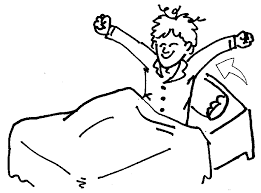
get up.
[get ʌp]
I get up at seven o'clock in the morning.
[aɪ get ʌp æt ˈsevn əˈklɒk ɪn ðə ˈmɔːnɪŋ]
eat breakfast.
[iːt ˈbrekfəst]
I eat breakfast at eight o'clock in the morning.
[aɪ iːt ˈbrekfəst æt eɪt əˈklɒk ɪn ðə ˈmɔːnɪŋ]


go to bed.
[gəʊ tə bed]
I go to bed at ten o'clock at night.
[aɪ gəʊ tə bed æt ten əˈklɒk æt naɪt]

[təˈdeɪ wiːl biː ˈtɔːkɪŋ əˈbaʊt sʌm θɪŋz ðæt jʊ duː θruːˈaʊt jə deɪ]
In the morning when the sun is coming up, you get up and you eat breakfast.
[ɪn ðə ˈmɔːnɪŋ wen ðə sʌn ɪz ˈkʌmɪŋ ʌp jʊ get ʌp ənd jʊ iːt ˈbrekfəst]
get up.
[get ʌp]
I get up at seven o'clock in the morning.
[aɪ get ʌp æt ˈsevn əˈklɒk ɪn ðə ˈmɔːnɪŋ]
eat breakfast.
[iːt ˈbrekfəst]
I eat breakfast at eight o'clock in the morning.
[aɪ iːt ˈbrekfəst æt eɪt əˈklɒk ɪn ðə ˈmɔːnɪŋ]
go to work
[gəʊ tə wɜːk]
I go to work at nine o'clock in the morning.
[aɪ gəʊ tə wɜːk æt naɪn əˈklɒk ɪn ðə ˈmɔːnɪŋ]

watch TV
[wɒʧ ˌtiːˈviː]
I watch TV at eight o'clock at night.
[aɪ wɒʧ ˌtiːˈviː æt eɪt əˈklɒk æt naɪt]

[gəʊ tə wɜːk]
I go to work at nine o'clock in the morning.
[aɪ gəʊ tə wɜːk æt naɪn əˈklɒk ɪn ðə ˈmɔːnɪŋ]
watch TV
[wɒʧ ˌtiːˈviː]
I watch TV at eight o'clock at night.
[aɪ wɒʧ ˌtiːˈviː æt eɪt əˈklɒk æt naɪt]
go to bed.
[gəʊ tə bed]
I go to bed at ten o'clock at night.
[aɪ gəʊ tə bed æt ten əˈklɒk æt naɪt]
Đăng ký:
Bài đăng (Atom)